Hurricane backup power
On the Outer Banks and around Hampton Roads, losing power for days isn't a what-if. Here's how to ride it out, or roll out, with a truck and the sun.
What a coastal outage asks of you
When a storm takes the lines down, the first problem is the fridge and freezer. Then it's water if you're on a well, fans or A/C in the heat, phones and internet to keep up with the news, and lights. Then it's how long the power stays out.
The usual answer is a gas generator. That means storing fuel, running it outside in the weather, and hunting for gas when stations are closed or out.
The truck-and-sun answer
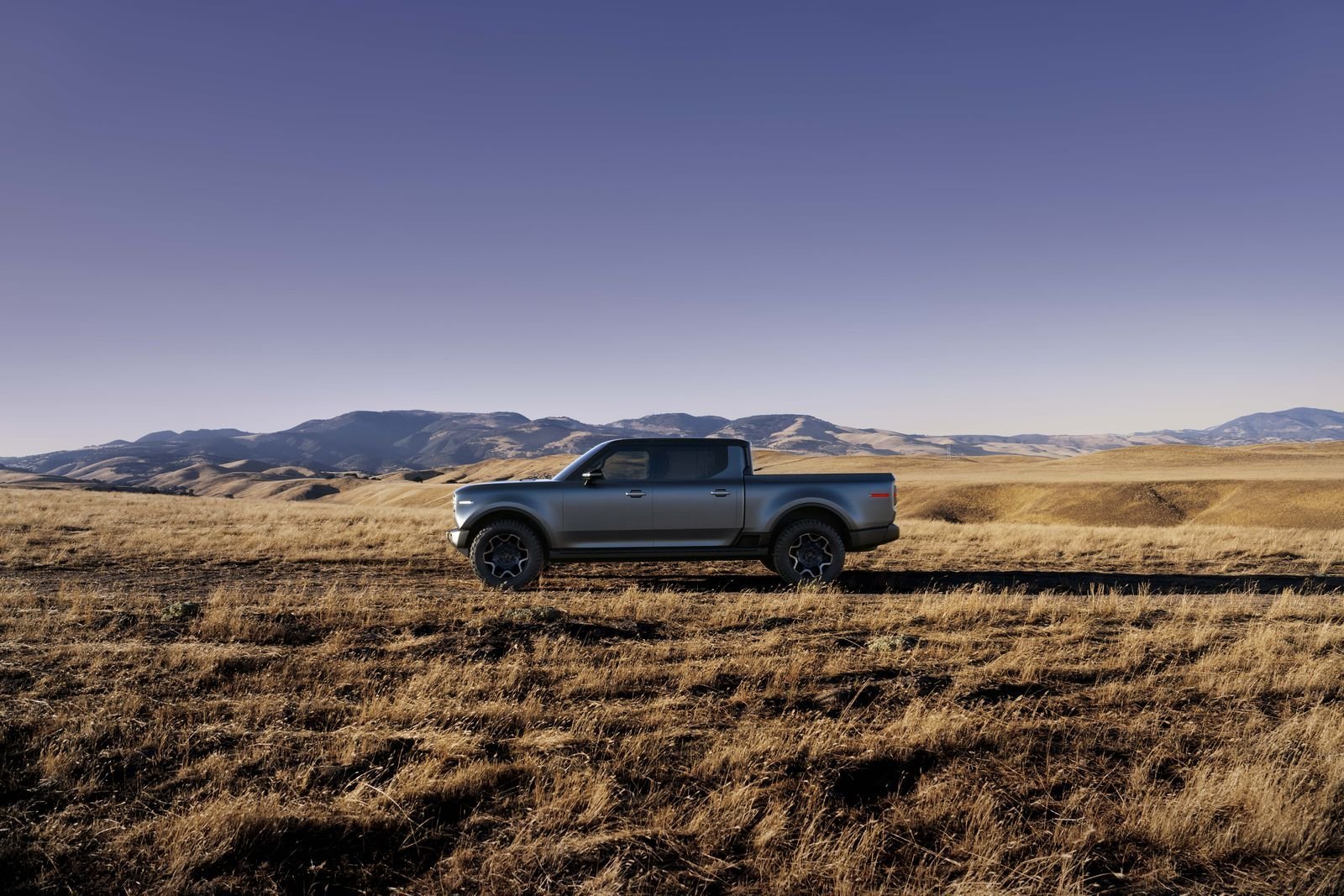
- Before the storm: your 4x4 is already sitting on a full solar charge.
- During: the transfer switch isolates the house and the vehicle runs it. No fuel, no fumes, no noise.
- After: sunny days refill the vehicle while crews rebuild the grid.
- If you're told to leave: you leave full, in a 4x4.
Build it for the coast
Salt air, sand and hurricane winds are the conditions here. A carport on this coast has to be engineered and permitted for local wind loads and set up for salt exposure. That's why ours is heavy timber, with hardware chosen for salt air. It's part of the plan from the first conversation.
Outage checklist
- Keep the vehicle charged on the carport when a storm is in the forecast.
- Know which circuits you'll run: fridge, freezer, well pump, lights, fans, internet.
- Test the switchover before storm season, not during the storm.
- Have a plan for leaving, and a full battery to do it.
Ready when the lights go out
Tell us about your place and what you drive. We'll tell you straight what a Bugging Out carport would do for you.