A used Cybertruck or Lightning as a home battery: the numbers
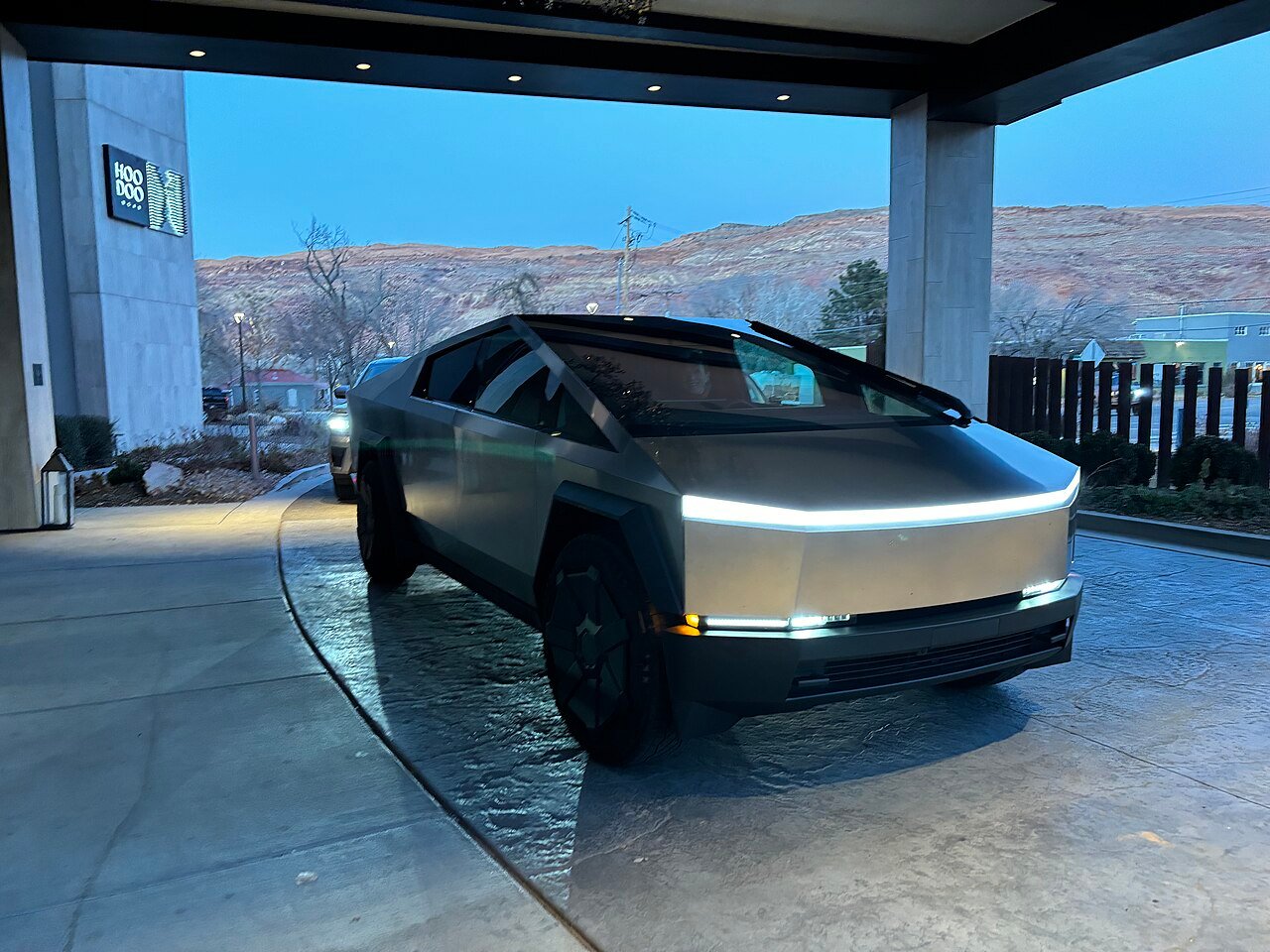
Tesla is ending Cybertruck production in mid-2027. If used prices fall, a truck with a 123 kWh battery and 11.5 kW of home backup could become the cheapest big battery you can park at a house. The F-150 Lightning, already out of production, may be the better deal. Here is where prices are today and what each works out to.
What happened
On November 6, 2026, Elon Musk posted that Tesla will wind down Cybertruck production at Gigafactory Texas around the middle of 2027. The same day Tesla raised new-truck prices: the Premium AWD from $84,990 to $92,490 and the Cyberbeast from $99,990 to $102,490, with the Dual Motor AWD no longer orderable. On November 9 Musk said Tesla will build as many as it can before the line closes and will have to return deposits for a lot of people.
Will used prices drop?
The usual idea is that a discontinued model loses value fast. The record says it depends on demand, not the announcement. A November 6 review of recent discontinued cars found that six of seven held up as well as or better than the used market around the time production ended. The Model S and Model X rose in used value over the past year, while the Chevy Bolt fell 18.3% in a year when used EVs overall fell about 25%. The steepest drops tend to come when a whole brand leaves the market, which is not the case here.
So far the Cybertruck has not crashed. On November 9 CarGurus listed 211 used Cybertrucks nationwide, with 2024 models averaging $83,232 and the lowest about $73,700 with 37,000 miles. In June, Autoblog reported early trucks trading at $58,000 to $70,000. Whether prices fall from here is the thing to watch, and the numbers below show what each level would mean.
As a home battery, what each price works out to
| Used price | Total with home equipment | Per kWh (123 kWh) |
|---|---|---|
| $83,000 (today’s 2024 average) | $87,000–$89,000 | About $710–$720 |
| $70,000 | $74,000–$76,000 | About $600–$620 |
| $60,000 | $64,000–$66,000 | About $520–$540 |
| $50,000 | $54,000–$56,000 | About $440–$460 |
Tesla puts Powershare equipment at typically $1,950, plus about $2,000–$4,000 to install in a home without a Powerwall. Battery size is 123 kWh, as Tesla lists it. Tesla says Powershare can back up a home at up to 11.5 kW for over three days at 30 kWh a day. For comparison, a Powerwall 3 runs about $1,000 per kWh installed for 13.5 kWh.
The math in plain terms
If you only count the home equipment, a used Cybertruck you already own stores energy for about $30–$50 per kWh. Count the whole truck and every price level above is still cheaper per kWh than a Powerwall, with nine times the battery. At $60,000, a used Cybertruck plus Tesla’s equipment holds as much energy as about nine Powerwalls for roughly the price of five.
The F-150 Lightning: a bigger battery for less
Ford stopped building the all-electric F-150 Lightning in December 2025, so it has already gone through what the Cybertruck is about to. Its used prices did not collapse: Edmunds says the average used Lightning is up 4% this year to about $50,000, and Electrek reports they sell in about 20 days against 44 for the average used vehicle. That is about 50% to 60% of the original sticker. On November 9 CarGurus showed used Lightnings starting around $35,000 to $40,000, mostly Pro work trucks with high miles.
The Lightning has the bigger battery: Ford lists 131 kWh usable on the Extended Range and 98 kWh on the Standard Range, against the Cybertruck’s 123 kWh. Ford’s Intelligent Backup Power sends up to 9.6 kW to the house, and Ford says an Extended Range truck can run an average home for about three days, up to about ten with rationing.
| Used Lightning | Total with home equipment | Per kWh |
|---|---|---|
| Standard Range at $40,000 | $48,900–$49,400 | About $500 (98 kWh) |
| Extended Range at $50,000 | $58,900–$59,400 | About $450 (131 kWh) |
| Extended Range at $60,000 | $68,900–$69,400 | About $525–$530 (131 kWh) |
Truck prices are example levels, not quotes; Extended Range trucks generally cost more than Standard Range. Home equipment is Ford’s first-generation setup, the Charge Station Pro and the Sunrun Home Integration System, which installers quoted at $8,900–$9,400 all in. Ford now says the Charge Station Pro that setup needs is no longer for sale. Its GenerLink route through the truck’s 240-volt bed outlet runs about $1,350–$1,550 installed at the meter, which brings an Extended Range truck at $50,000 to about $390 per kWh (the cheap way, in full). On a Standard Range truck Ford also charges to switch the feature on, at a price it has not published.
Side by side. An Extended Range Lightning at $50,000 holds more energy than a Cybertruck at today’s $83,000 average, for about $450 per kWh against about $710. The Cybertruck sends more power to the house, 11.5 kW against 9.6, and its home equipment costs less to install. Both cost well under a Powerwall’s roughly $1,000 per kWh, with seven to ten times the battery.
The orphan question
- Parts and service. Tesla has not said how long it will support Cybertruck parts and service once production ends. Powershare depends on Tesla’s hardware and software, so that matters more here than for an ordinary truck. Ford dealers still service the Lightning. Ford says the Charge Station Pro its original automatic setup needs is no longer for sale, but the GenerLink meter switch works with 2022–2025 Lightnings that have the 9.6 kW outlet system.
- Tesla is not leaving. It keeps building other vehicles, Powershare now runs on new Model 3 and Model Y, and the Powerwall business continues, which should help keep the home side supported.
- Check before you buy. Have the battery health checked, confirm the truck supports home backup (Powershare on a Cybertruck, Intelligent Backup Power on a Lightning), and confirm the remaining battery warranty.
Cybertruck home backup, in full →
Ford Fathom vs. Tesla Powerwall: the numbers →
Sources
- Electrek: Tesla raises Cybertruck prices after announcing the end of production (Nov 6, 2026)
- TechCrunch: Musk says Tesla will refund some Cybertruck deposits (Nov 9, 2026)
- We Buy Any Car: what happens to a discontinued car’s value (Nov 6, 2026)
- CarGurus: used Cybertruck listings (checked Nov 9, 2026)
- Autoblog: early Cybertrucks at $58,000–$70,000 (Jun 1, 2026)
- Tesla: Powershare (equipment, cost and backup)
- Electrek: used F-150 Lightning prices up 4% to about $50,000 (Nov 5, 2026)
- CarGurus: used F-150 Lightning listings (checked Nov 9, 2026)
- autoevolution: Ford confirms Lightning usable battery, 98 and 131 kWh
- InsideEVs: Ford Intelligent Backup Power explained (9.6 kW)
- Fortune: Ford home backup equipment and installed cost (Oct 27, 2026)
- Ford: GenerLink works with Pro Power Onboard (Jul 22, 2026)
Questions
Will used Cybertruck prices drop now that it is discontinued?
Not necessarily. Discontinued models from brands that stay in the market have often held their value; demand matters more than the announcement. As of November 9, 2026, used 2024 Cybertrucks on CarGurus averaged $83,232.
Can a used Cybertruck power a house?
Yes, with Tesla’s Powershare equipment: up to 11.5 kW from a 123 kWh battery. Tesla puts the equipment at typically $1,950 plus about $2,000 to $4,000 to install without a Powerwall. Confirm the specific truck shows Powershare support before you buy.
Is a used F-150 Lightning cheaper home backup than a used Cybertruck?
Per kilowatt-hour, usually yes. An Extended Range Lightning carries 131 kWh usable, more than the Cybertruck’s 123 kWh; at $50,000 plus Ford’s original home equipment installed, about $8,900 to $9,400, it works out to about $450 per kWh, or about $390 with Ford’s cheaper GenerLink route, against about $710 for a Cybertruck at today’s average used price. The Cybertruck sends more power to the house: 11.5 kW against 9.6 kW.
Is a used Cybertruck cheaper home backup than a Powerwall?
Per kilowatt-hour, yes, even counting the whole truck. At today’s average used price plus Tesla’s equipment it works out to about $710 to $720 per kWh, against about $1,000 per kWh for a Powerwall 3 installed, and it holds about nine times the energy.
Ready when the lights go out
Tell us about your place and what you drive, or plan to. We'll tell you straight what a Bugging Out carport would do for you.